The Terneuzen Tragedy: When a Medical Emergency Turned Catastrophic
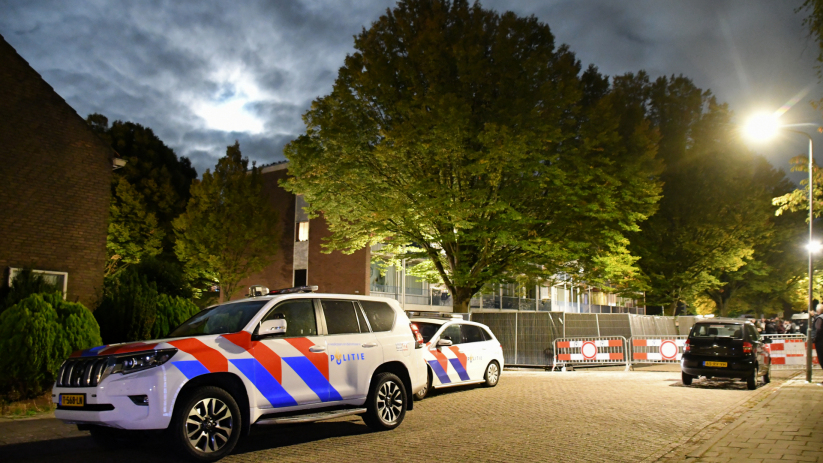
On November 5, 2021, the usually bustling sluice complex in Terneuzen, Netherlands, became the scene of a horrifying accident that claimed one life and left several others injured. What initially appeared to be a bizarre and inexplicable event quickly revealed a profound human tragedy stemming from a medical emergency. The incident, known in Dutch as the Dodelijk Ongeval Terneuzen, unfolded as a routine workday for six cleaners turned into an unimaginable nightmare, highlighting critical lessons about medical awareness, driving responsibility, and workplace safety.
The Fateful Morning: A Routine Journey Turns Catastrophic
The morning of November 5, 2021, began like any other for a group of six cleaners, five women and one man, travelling in a company van. Their destination was a nearby bungalow park, a familiar route that regularly took them over the impressive sluice complex in Terneuzen. Behind the wheel was a 40-year-old woman from Hoek, the only one among the group authorized to drive the company vehicle.
However, that morning, the driver felt unwell. She later testified in court that she had experienced what she believed were "panic attacks" frequently in the past, and on this particular day, she again felt symptoms emerging. Despite her discomfort, she decided to proceed with the journey. As they approached the sluices around 8:30 AM, near a local gas station, her condition worsened. She described feeling a "panic attack," which led to hyperventilation. Instinctively, she rolled down the window for fresh air and intended to pull the van over to the side of the road.
But she didn't stop. Moments later, on the sluice complex itself, the van nearly collided with another car. Passengers in the van reportedly spoke to the driver, but received no response. One passenger observed the driver's body stiffen, her gaze fixed and unresponsive. The driver herself would later recount a sensation of "sinking away," with no memory of what transpired next. The van, now an uncontrolled projectile, crashed through the safety barriers, plummeting eight meters below onto a passing inland vessel.
The impact was devastating. Five of the six occupants sustained various injuries, including broken wrists, ribs, and, for one individual, two broken back vertebrae and a neck vertebra. Tragically, 25-year-old Tanjo suffered severe brain injury from the force of the collision and died at the scene. The Fatal Bus Crash Terneuzen: Mother's Anguish & Safety Questions encapsulates the profound grief and questions that arose from this devastating event.
Unmasking the Silent Threat: Epilepsy, Misdiagnosis, and Driving Risks
The true cause of the driver's incapacitation only came to light during subsequent investigations. What she had consistently attributed to "panic attacks" was, in fact, diagnosed as epileptic seizures following research conducted in Gent. These seizures, it was revealed, had become increasingly severe in the period leading up to the accident. This critical misdiagnosis highlights a dangerous misunderstanding that led to catastrophic consequences.
Epileptic seizures are caused by abnormal electrical activity in the brain and can manifest in various ways, from brief lapses of attention to full-blown convulsions. Panic attacks, while debilitating, are psychological responses characterized by intense fear, hyperventilation, and physical symptoms like a racing heart. The critical distinction, particularly for someone operating a vehicle, is the level of conscious control and awareness. During an epileptic seizure, a person can lose complete control of their body and consciousness, making driving incredibly dangerous. The public prosecutor's subsequent demand for a 240-hour community service against the driver underscores the serious legal and ethical questions raised by her continued driving, as detailed in Terneuzen Sluice Accident: Driver's Seizure & Legal Demand.
The Imperative of Professional Diagnosis
This tragedy serves as a stark reminder of the dangers of self-diagnosis and the critical importance of seeking professional medical evaluation for unexplained health episodes. If you experience symptoms such as sudden blackouts, unexplained confusion, involuntary movements, or intense feelings of dread that impair your function, it is paramount to consult a doctor immediately. Only a qualified medical professional can accurately diagnose the condition and provide appropriate treatment and guidance, including advice on driving restrictions.
- Consult a Neurologist: If you suspect any neurological issues or have experienced episodes of lost consciousness, a neurologist is the specialist to see.
- Be Honest with Your Doctor: Provide a full and accurate history of your symptoms, even if they seem minor.
- Understand Driving Regulations: Drivers with medical conditions like epilepsy often have specific legal requirements to meet before being cleared to drive. These typically include a minimum seizure-free period.
Accountability and Anguish: The Legal and Human Dimensions
The legal proceedings following the Dodelijk Ongeval Terneuzen brought a degree of accountability, with the Public Prosecutor demanding a 240-hour community service against the driver. This demand reflects the gravity of the incident and the driver's responsibility, despite the absence of malicious intent. The case navigates the complex intersection of personal tragedy, medical misjudgment, and public safety.
However, no legal outcome can fully alleviate the profound anguish felt by the victims and their families. Tanjo's mother delivered a heartbreaking victim statement in court, expressing her unbearable grief and the deep bond she shared with her son. She spoke of hearing the sirens on the day of the accident, only to realize the full horror when her daughter-in-law later called, unable to reach Tanjo. Her questions were raw and piercing: why did the driver continue to get behind the wheel despite experiencing these "panic attacks," and why did the cleaning company, reportedly aware of the driver's episodes, not intervene?
Her questions resonate with many, underscoring the broader ethical and safety dilemmas. The tragedy extends beyond those directly involved, leaving a lasting scar on the community and serving as a poignant reminder of the ripple effect of such incidents.
Beyond the Tragedy: Lessons for Road Safety and Employer Responsibility
The Terneuzen incident, a stark example of a Dodelijk Ongeval Terneuzen, compels us to reflect on critical aspects of road safety, individual responsibility, and corporate duty of care. Preventing similar tragedies requires a multi-faceted approach.
Driver's Responsibility
Every driver holds immense responsibility for their own safety and the safety of others on the road. This extends to personal health.
- Honesty with Medical Professionals: Drivers must be transparent with their doctors about any symptoms or conditions that could impair their ability to drive safely.
- Adherence to Medical Advice: If a doctor advises against driving due to a medical condition, that advice must be strictly followed. This might involve reporting the condition to the relevant licensing authorities.
- Self-Assessment: If you feel unwell, tired, or otherwise compromised, avoid driving. It's always better to be late or seek alternative transportation than to risk an accident.
Employer's Duty of Care
For companies employing drivers, particularly those operating commercial vehicles, the duty of care is paramount. Employers have an ethical and legal obligation to ensure their employees are fit to drive.
- Robust Health and Safety Policies: Implement clear policies regarding driver health, including procedures for reporting medical conditions that might affect driving.
- Regular Fitness-to-Drive Assessments: Especially for professional drivers, periodic medical assessments can help identify developing conditions early.
- Supportive Environment: Foster a culture where employees feel comfortable reporting health concerns without fear of reprisal or job loss, allowing for proactive management of risks.
- Alternative Duties: When an employee is temporarily or permanently unable to perform driving duties due to health, explore alternative roles or accommodations where possible.
Systemic Safety Improvements
Beyond individual and corporate responsibility, infrastructure and public awareness also play a role.
- Enhanced Barrier Design: At critical points like sluice complexes, bridges, or steep embankments, regularly review and enhance safety barrier designs to withstand impact.
- Public Awareness Campaigns: Educate the public about the dangers of driving with undiagnosed or uncontrolled medical conditions, emphasizing the importance of timely medical attention.
- Driver Monitoring Technologies: While not a replacement for human vigilance, in-vehicle technologies that monitor driver alertness could offer an additional layer of safety, particularly for commercial fleets.
Conclusion
The Terneuzen tragedy, a poignant example of a Dodelijk Ongeval Terneuzen, serves as a powerful and tragic reminder of how quickly routine can turn to disaster when unforeseen medical emergencies intersect with the responsibilities of driving. The loss of Tanjo's life and the lasting pain inflicted on his family and the other passengers underscore the profound human cost. This incident should galvanize individuals, employers, and authorities to prioritize medical awareness, foster open communication about health concerns, and diligently implement and adhere to robust safety protocols. By learning from this devastating event, we can strive to prevent similar tragedies and ensure that our roads and workplaces are safer for everyone.