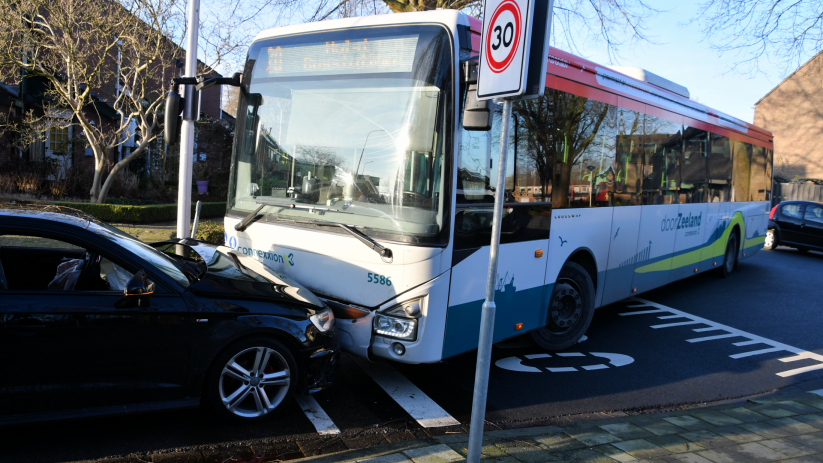
Fatal Bus Crash Terneuzen: A Mother's Unspeakable Anguish and Urgent Safety Questions
The tranquil morning of November 5, 2021, at the Terneuzen sluice complex in the Netherlands, was shattered by a tragic event that would irrevocably alter lives and ignite profound questions about road safety and corporate responsibility. What began as a routine commute for a group of cleaning professionals spiraled into a fatal accident, leaving a 25-year-old man, Tanjo, dead and several others injured. This harrowing incident, often referred to as the
Dodelijk Ongeval Terneuzen, was not merely an unfortunate mishap; it was a consequence of a driver's undisclosed medical condition, raising a clamor for accountability and a re-evaluation of safety protocols.
The Fateful Drive: A Routine Gone Terribly Wrong
On that fateful Friday morning, a bus carrying six cleaners – five women and one man – was on its daily route to a nearby bungalow park. The group worked for the same cleaning company, and the 40-year-old driver from Hoek was the only one authorized to operate the vehicle. The route over the Terneuzen sluice complex was familiar, a well-worn path in their daily routine.
However, on this particular day, the driver felt unwell from the start. She described experiencing what she believed were "panic attacks," a condition she had frequently encountered. Despite her discomfort, she made the critical decision to continue driving. As they approached the sluices around 8:30 AM, near a gas station, her symptoms worsened. She recounted feeling a panic attack coming on, leading to hyperventilation. She opened the window for fresh air and considered pulling over, yet she pressed on.
Moments later, on the sluice complex itself, the bus nearly collided with another car. Passengers in the bus tried to alert the driver, but she was unresponsive, described by one as "frozen" and not reacting. In court, she later testified that she felt herself "sinking away" and remembered nothing of what followed. The bus then veered, crashed through the barriers, and plummeted eight meters down, landing on a passing inland vessel. The impact was catastrophic. Five occupants sustained injuries, including wrist and rib fractures, with one person suffering two fractured vertebrae and a neck vertebra. Tragically, 25-year-old Tanjo suffered severe brain injuries and died at the scene. This devastating
Dodelijk Ongeval Terneuzen underscored the fragility of life and the immense consequences of a momentary lapse, or a deeper underlying issue.
A Mother's Heartbreak: The Irreparable Loss of Tanjo
The raw, profound grief of Tanjo's mother forms the heartbreaking core of this tragedy. Her victim statement, delivered in court, painted a poignant picture of an inseparable bond and an unbearable loss. She spoke of her deep connection with her son, the void he left behind, and her desperate yearning to be with him again.
On the day of the accident, Tanjo's mother was visiting nearby the sluices. She heard the wail of sirens but, like many, initially dismissed them as distant emergencies. It wasn't until around midday when her daughter-in-law called, expressing alarm about being unable to contact Tanjo, that a chilling realization dawned upon her. The sirens, the accident, her son... the pieces fit together in a horrifying puzzle. The news of his death shattered her world.
Her anguish is compounded by a burning question: why? Why did the 40-year-old driver continue to get behind the wheel, knowing she suffered from what she perceived as debilitating panic attacks? As a taxi driver for young children herself, Tanjo's mother stated emphatically that she would never take such a risk. Her bewilderment extended to the cleaning company, which, despite allegedly being aware of the driver's recurrent episodes, apparently failed to intervene or take preventative measures. This element adds another layer of complexity to the
Dodelijk Ongeval Terneuzen, shifting the focus beyond individual culpability to systemic oversights.
For a deeper understanding of the legal aspects and the driver's condition, you may refer to
Terneuzen Sluice Accident: Driver's Seizure & Legal Demand.
Unanswered Questions and the Call for Enhanced Safety
The judicial process following the Terneuzen bus crash has brought critical details to light. Medical investigations in Ghent revealed that what the driver consistently described as "panic attacks" were, in fact, epileptic seizures that had recently worsened. Believing them to be panic attacks, she continued driving and reportedly took medication for anxiety. The Public Prosecutor demanded a community service sentence of 240 hours, acknowledging the tragic outcome but also the driver's misinterpretation of her medical condition.
This tragic
Dodelijk Ongeval Terneuzen raises several uncomfortable, yet crucial, safety questions that demand urgent attention:
*
Individual Responsibility vs. Medical Fitness: How can individuals accurately assess their fitness to drive, especially when dealing with complex or misdiagnosed medical conditions? The case highlights the critical importance of regular, thorough medical evaluations for anyone operating a vehicle, particularly professional drivers.
*
Employer Oversight and Duty of Care: What is the employer's responsibility when an employee has a known medical condition that could impair their ability to perform their job safely? The fact that the cleaning company was reportedly aware of the driver's "attacks" but did not intervene is a significant point of concern. Employers have a moral and legal obligation to ensure the safety of their employees and the public.
*
The Nature of Medical Disclosure: Should there be stricter regulations requiring drivers, especially those in commercial roles, to disclose any medical conditions that could affect their driving ability? And how can privacy concerns be balanced with public safety?
Practical Steps for Enhanced Road and Workplace Safety:
1.
Mandatory Medical Assessments: Implement more stringent and regular medical checks for all professional drivers, specifically screening for conditions like epilepsy or other neurological disorders that could lead to sudden incapacitation.
2.
Education on Medical Conditions: Increase public and professional awareness about the symptoms and risks of conditions like epilepsy, helping individuals recognize serious health issues beyond self-diagnosis.
3.
Clear Employer Policies: Companies employing drivers must establish clear, robust policies regarding employee health and fitness to drive. This includes protocols for reporting health concerns, managing employees with medical conditions, and providing alternative work arrangements when necessary.
4.
Support for Employees: Create a culture where employees feel safe and supported to report health issues without fear of job loss, enabling early intervention and preventing potentially fatal incidents.
5.
"Fit to Drive" Campaigns: Public awareness campaigns emphasizing the personal and collective responsibility of being "fit to drive" can play a vital role in encouraging self-assessment and professional medical advice.
This incident also serves as a somber reminder of how an epileptic attack can tragically lead to loss of life, a theme explored further in
Terneuzen Tragedy: How an Epileptic Attack Led to One Death.
Lessons from Terneuzen: Preventing Future Tragedies
The
Dodelijk Ongeval Terneuzen is a stark reminder that road safety is a shared responsibility, encompassing individuals, medical professionals, employers, and regulatory bodies. Tanjo's untimely death has left an unfillable void for his mother and family, a wound that no legal outcome can truly heal. Beyond the personal tragedy, this incident serves as a crucial case study, urging us to examine the shortcomings in our current safety nets and to fortify them. Preventing similar catastrophic events requires not just legal recourse but a fundamental shift towards proactive vigilance, transparent communication about health conditions, and unwavering commitment to safety in all professional environments. Only by learning from such devastating incidents can we hope to ensure that no other family endures the profound anguish that Tanjo's mother now carries.