A Bizarre Tragedy: Unraveling the Terneuzen Sluice Accident
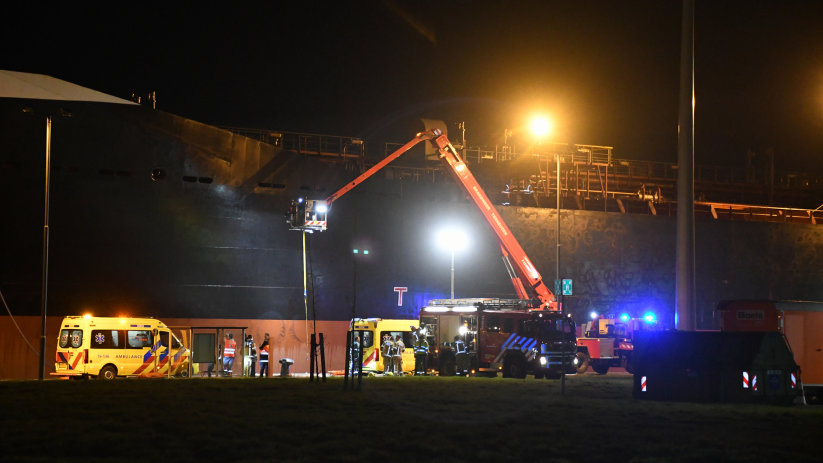
On a seemingly ordinary morning, November 5, 2021, the usually bustling sluice complex in Terneuzen became the scene of a bizarre and ultimately fatal accident. What began as a routine commute for a group of cleaners transformed into a nightmare when their van veered off course, crashing through barriers and plummeting eight meters onto a passing inland vessel. The tragic incident resulted in the untimely death of 25-year-old Tanjo and left several others severely injured. The core of this fatal bus crash in Terneuzen lay in a sudden, unforeseen medical emergency experienced by the driver, igniting a broader conversation about driver responsibility, employer oversight, and the critical importance of medical awareness on our roads. This Dodelijk Ongeval Terneuzen has since led to legal proceedings, demanding answers and accountability for the devastating loss of life.
The Fateful Drive Through Terneuzen
The 40-year-old driver from Hoek, accompanied by five colleagues from the same cleaning company, was on their daily journey to a nearby bungalow park. This route, traversing the sluice complex, was intimately familiar to them. However, that particular morning harbored a grim premonition; the driver recalled feeling unwell but made the decision to proceed with the drive. As they approached the sluices around 8:30 AM, near a local petrol station, her condition deteriorated rapidly.
A Sudden, Unforeseen Medical Emergency
The driver described experiencing what she perceived as a severe "panic attack," leading to hyperventilation. In an attempt to alleviate her symptoms, she opened a window for fresh air and contemplated pulling over. Yet, for reasons that remain unclear, she continued driving. Moments later, the van nearly collided with another vehicle, prompting concern from her passengers. One occupant observed her "stiffening" and becoming unresponsive, indicating a complete loss of control. In court, the driver stated she felt herself "sinking away" and has no memory of the subsequent events.
Crucially, medical investigations later revealed a more severe underlying issue. Research conducted in Ghent confirmed that what the driver had repeatedly dismissed as "panic attacks" were, in fact, epileptic seizures, a condition that had reportedly worsened over time. Believing her symptoms to be anxiety-related, she had continued to drive and manage her condition with medication intended for panic attacks. This misdiagnosis played a tragic role in the events that unfolded, highlighting the profound implications of medical conditions on road safety. The Terneuzen tragedy serves as a stark reminder of how an epileptic attack led to one death, emphasizing the need for accurate diagnosis and strict adherence to driving guidelines for those with medical conditions.
The Devastating Impact: Loss and Injury
Uncontrolled, the cleaning van veered off course, crashing violently through the safety barriers of the sluice complex. It then plunged eight meters down, ultimately landing on the deck of an inland vessel navigating the waterway below. The impact was catastrophic. While five of the occupants sustained various injuries, including fractured wrists and ribs, and one person suffered two broken back vertebrae and a broken neck vertebra, the most grievous outcome was the death of 25-year-old Tanjo. He sustained severe brain injury on impact and died at the scene, transforming a routine workday into a profound and irreversible loss.
A Mother's Heartbreaking Plea for Understanding
The aftermath of the Dodelijk Ongeval Terneuzen resonated deeply, particularly with Tanjo's mother. Her victim impact statement in court was a harrowing testament to her grief and confusion. She spoke of the incredibly close bond she shared with her son and her unbearable longing for his presence. That day, she had been visiting near the sluices, hearing the sirens, but only grasped the magnitude of the disaster when her daughter-in-law called, unable to reach Tanjo. Her anguish was compounded by unanswered questions: Why did the driver continue to get behind the wheel, despite experiencing frequent "panic attacks" she knew were debilitating? And why, if the cleaning company was reportedly aware of these incidents, did they not intervene or implement safeguards? These questions underscore not only the personal tragedy but also the systemic concerns regarding driver fitness and corporate responsibility.
Legal Ramifications and Broader Safety Lessons
In the wake of the Dodelijk Ongeval Terneuzen, legal proceedings commenced to address the driver's culpability. The Public Prosecutor demanded a community service sentence of 240 hours. This legal demand raises complex questions about the balance between individual responsibility and the unforeseen nature of medical emergencies. While the driver undeniably caused the accident, her actions were not driven by malice or recklessness in the traditional sense, but by a medical condition she tragically misunderstood.
This incident offers critical insights and valuable lessons for road safety:
- Individual Responsibility for Health: Every driver has a moral and legal obligation to assess their fitness to drive. If experiencing symptoms or diagnosed with a condition that could impair driving, it is paramount to seek accurate medical advice and adhere to any restrictions. Assuming symptoms are benign can have devastating consequences.
- The Importance of Medical Disclosure and Diagnosis: The case highlights the critical need for individuals to transparently discuss all symptoms with their doctors. Misdiagnosing a serious condition like epilepsy as "panic attacks" can lead to inappropriate treatment and a false sense of security regarding driving capabilities. Doctors, in turn, must ensure comprehensive diagnostics and clear communication about driving restrictions for medical conditions.
- Employer Accountability: For companies whose employees operate vehicles as part of their job, this incident underscores the need for robust health and safety policies. This includes regular health checks, clear reporting mechanisms for employees experiencing health issues that could affect driving, and proactive measures to ensure drivers are fit for duty. Simply being "aware" of a driver's symptoms without intervention may not be sufficient.
- Passenger Vigilance: While passengers are not expected to take control of a vehicle, recognizing signs of driver impairment (medical or otherwise) and acting decisively – such as urging the driver to pull over, calling for help, or, in extreme cases, attempting to bring the vehicle to a halt if safely possible – can be life-saving.
The Terneuzen sluice accident serves as a stark reminder that road safety is a shared responsibility, extending beyond just following traffic rules to include personal health awareness and community oversight.
Preventing Future Tragedies: A Call for Vigilance
The Dodelijk Ongeval Terneuzen profoundly impacted numerous lives, leaving a legacy of grief, injury, and unanswered questions. However, from this tragedy emerges an urgent call for greater vigilance and improved practices. Preventing similar accidents hinges on a multi-faceted approach:
- Enhanced Medical Awareness: Promoting public and professional education on conditions like epilepsy and their potential impact on driving.
- Clear Communication: Encouraging open dialogue between patients and healthcare providers about fitness to drive, ensuring clear guidance on restrictions and necessary reporting to relevant authorities where applicable.
- Robust Workplace Safety: Implementing and enforcing stringent health and safety protocols for employees who drive, including regular medical assessments and clear procedures for reporting and managing health concerns.
- Technological Solutions: Exploring how vehicle technology might assist in detecting driver impairment, though this remains a complex area.
Ultimately, the story of the Terneuzen sluice accident is a powerful reminder that every journey carries an element of risk, and mitigating that risk requires a collective commitment to safety, health awareness, and responsible decision-making from individuals, medical professionals, and employers alike.
The tragic events at the Terneuzen sluice complex on November 5, 2021, serve as a harrowing illustration of how a hidden medical condition can lead to devastating consequences. The loss of Tanjo and the severe injuries sustained by others underscore the critical importance of accurate medical diagnosis, individual accountability in assessing fitness to drive, and diligent oversight by employers. As the legal proceedings unfold, the broader message is clear: vigilance, communication, and proactive measures are indispensable in safeguarding our roads and preventing future tragedies like this painful Dodelijk Ongeval Terneuzen.